Ground School
High quality tutorials written to assist new pilots master the fundamental concepts needed to be a safe and proficient pilot.
Sub Categories
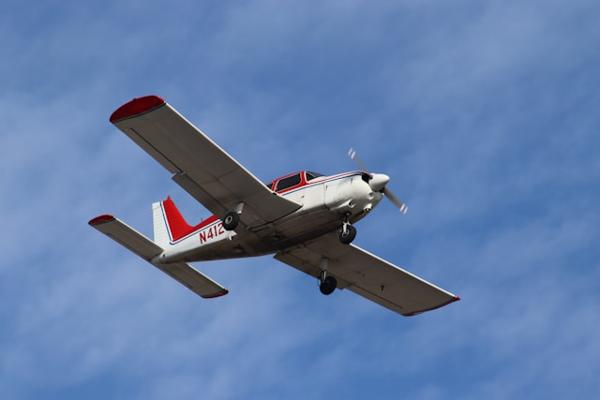
Introducing the fundamental forces of flight - lift, drag, thrust, and weight - and how they work together to shape aircraft performance and handling.
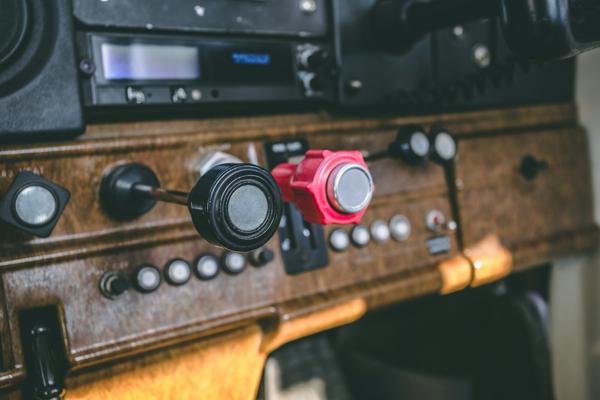
Are you setting your mixture correctly during flight? Why it's important, and how to operate your airplane engine safely and efficiently.
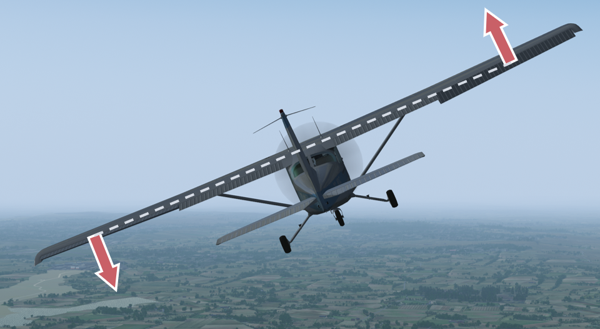
Adverse yaw describes an aircraft’s natural tendency to yaw in the opposite direction to the direction of a banked turn.

The question of how an airplane’s wing produces lift is one of the most frequently asked aeronautical questions and also one of the most poorly explained.

An introduction to the composition and physical properties of our atmosphere, and how this relates to aircraft performance.
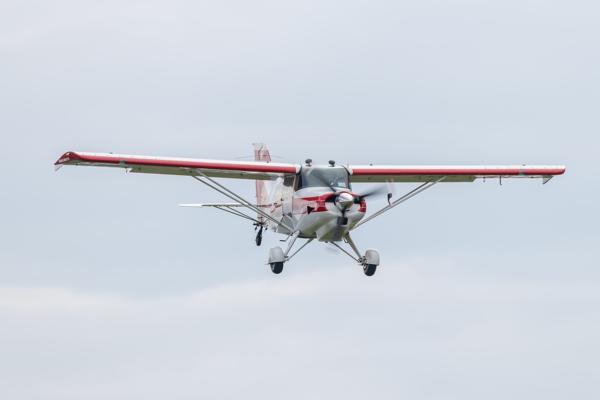
An introduction to the fundamental physical laws governing heaver-than-air flight, and how this translates to the motion of an aircraft in flight.
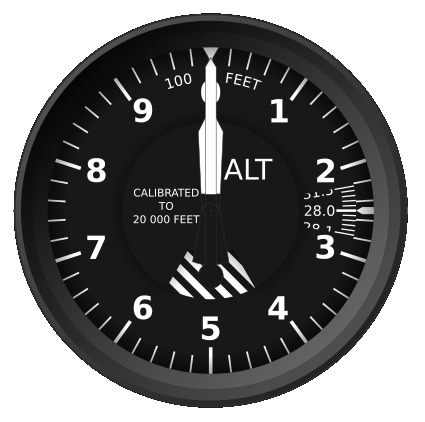
The altimeter is one of the primary flight instruments and is used to measure vertical height. This post covers operating principles and altimeter design.
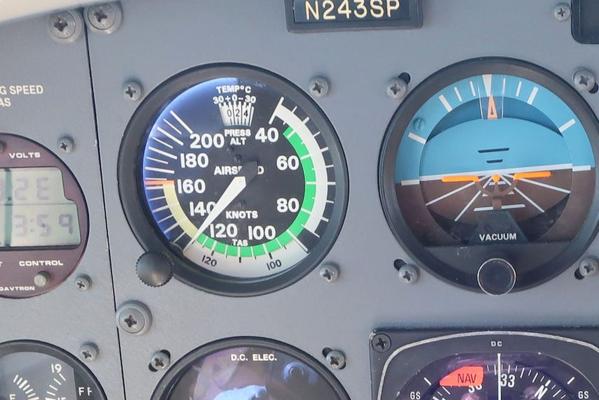
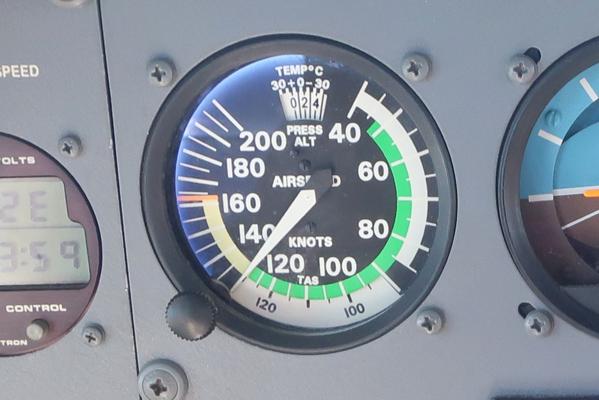
The airspeed indicator (ASI) is an instrument that makes use of the aircraft’s pitot-static system to provide the pilot with a reading of the aircraft's speed.
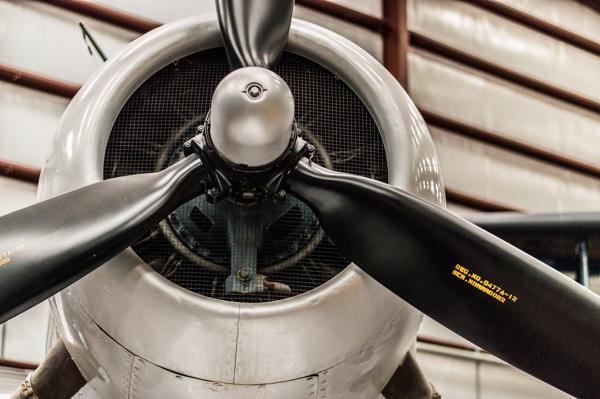
An overview of all aspects associated with light aircraft propellers including forces, design, and how to manage a propeller in flight.
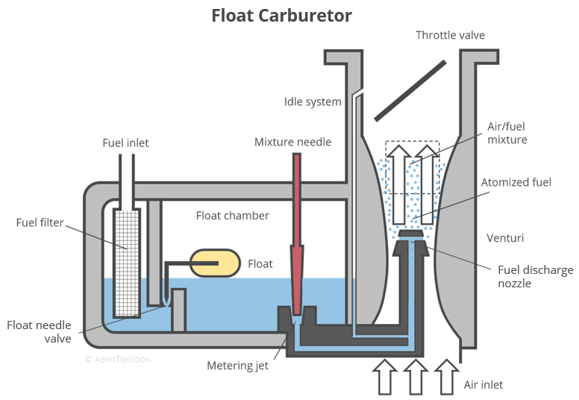
The carburetor forms a part of the engine’s induction system and is responsible for bringing together and mixing the air and fuel.
Still looking? Try one of these categories.
Popular Posts